
Identity Engine
Pseudonymous TCID recognition, first-party signal collection, confidence-based matching, and server-side hashing.
TrafficCatch helps businesses understand anonymous visitor journeys when traditional cookies, broken sessions, and fragmented analytics fail.

For years, businesses relied on cookies and browser-based tracking to understand where visitors came from, whether they returned, and which campaigns worked.
That model is becoming less dependable. Browser privacy changes, cookie restrictions, ad blockers, private browsing, and fragmented sessions make website analytics harder to trust. A visitor can arrive from a campaign, return later, view pricing, trigger an event, and still appear as disconnected sessions in a normal analytics dashboard.
TrafficCatch was created because businesses still need visibility. They need it in a way that is more resilient than cookie-only analytics and more careful than invasive named-person tracking.
The core problem is recognizing pseudonymous visitor journeys well enough to make attribution, funnels, replay, and fraud intelligence useful again.
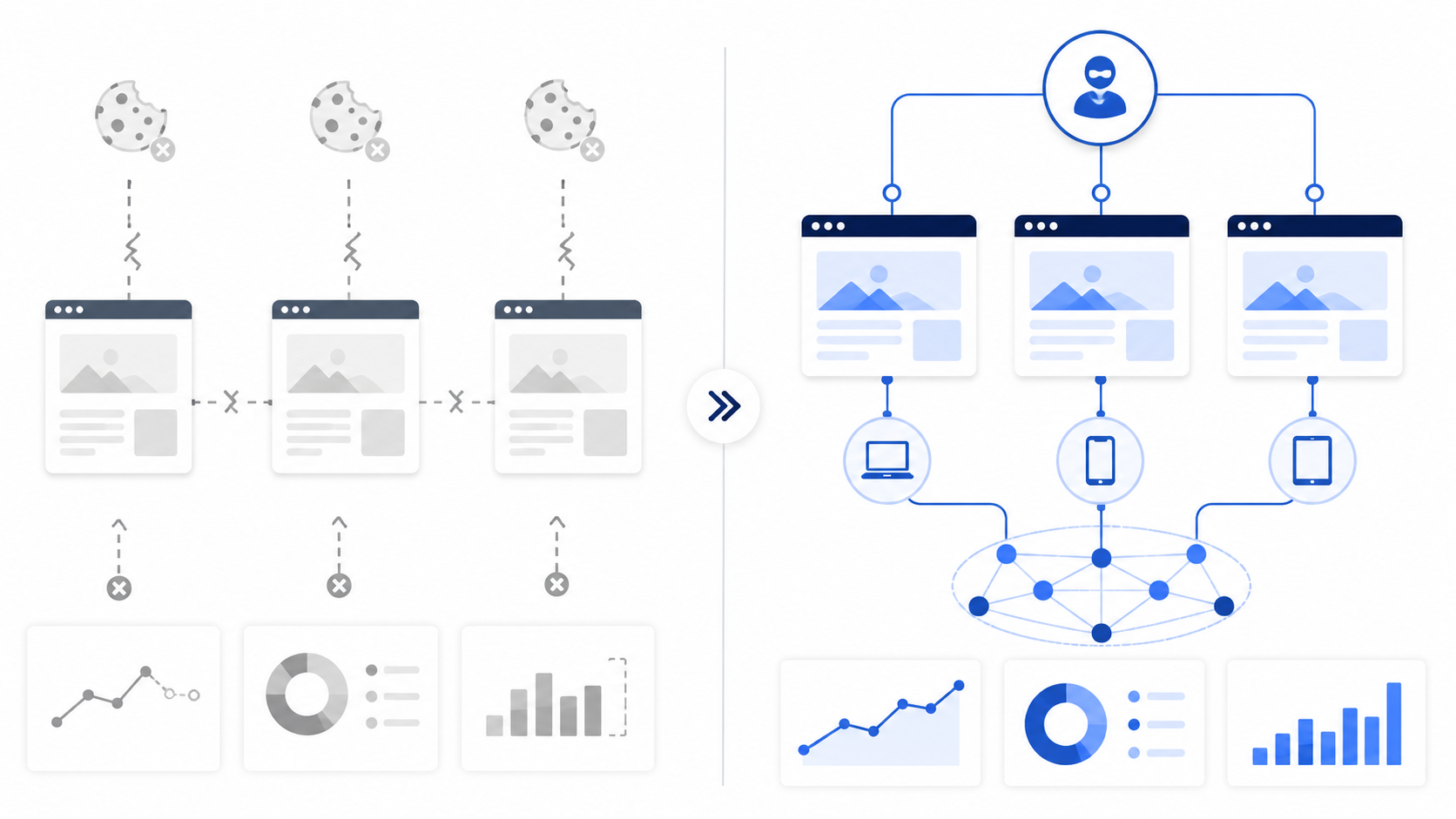
If a website cannot recognize a returning anonymous device, every visit looks isolated. Attribution becomes weaker. Funnels become less reliable. Session replay loses context. Fraud is harder to detect.
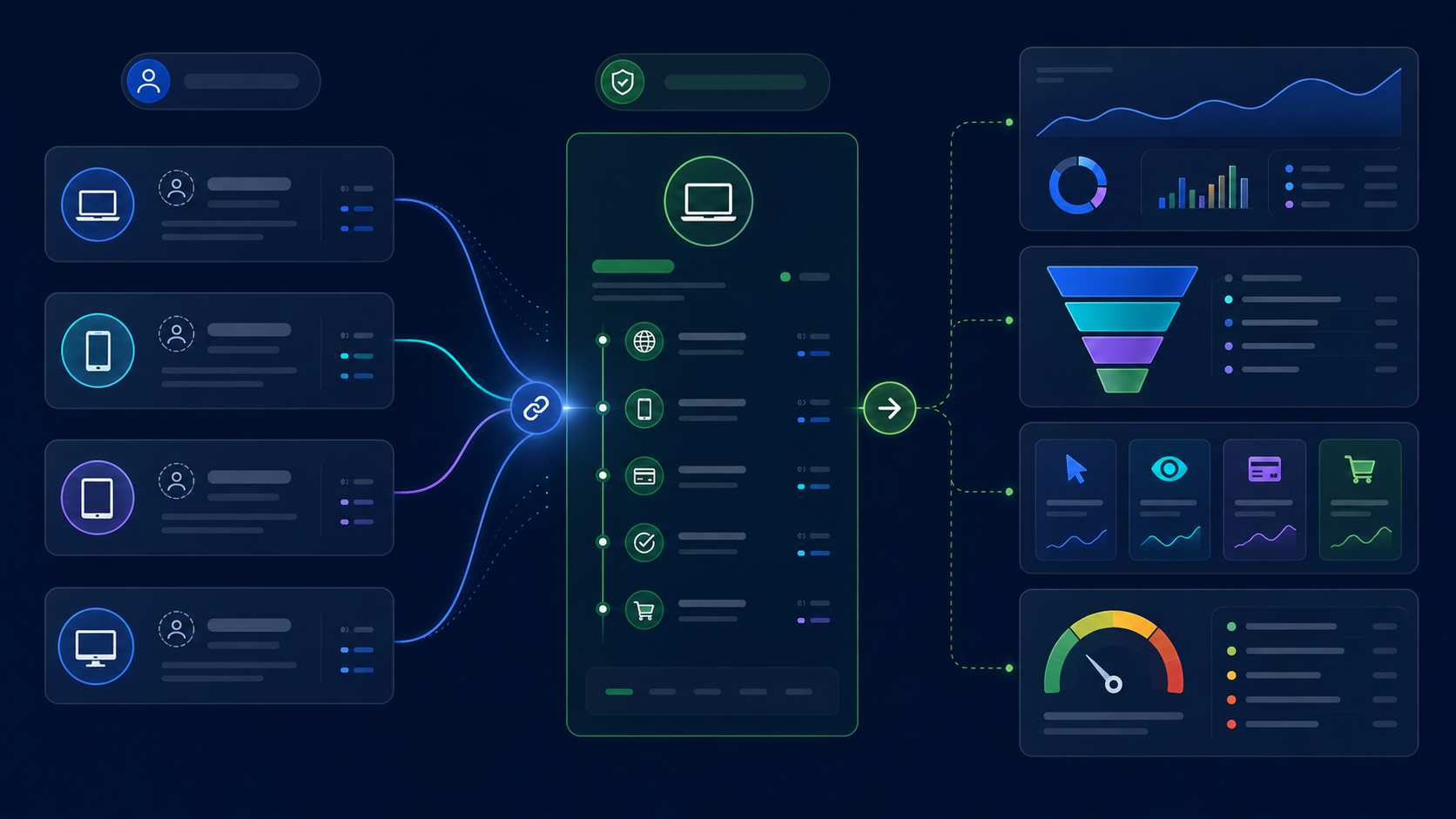
TrafficCatch starts with pseudonymous identity first. The platform creates or matches a TrafficCatch ID, or TCID, then connects visits, events, recordings, funnel steps, and fraud signals to that journey.
TrafficCatch is not a generic dashboard with a few charts. It is a visitor intelligence platform where analytics, replay, funnels, events, and fraud detection are powered by the identity layer underneath.
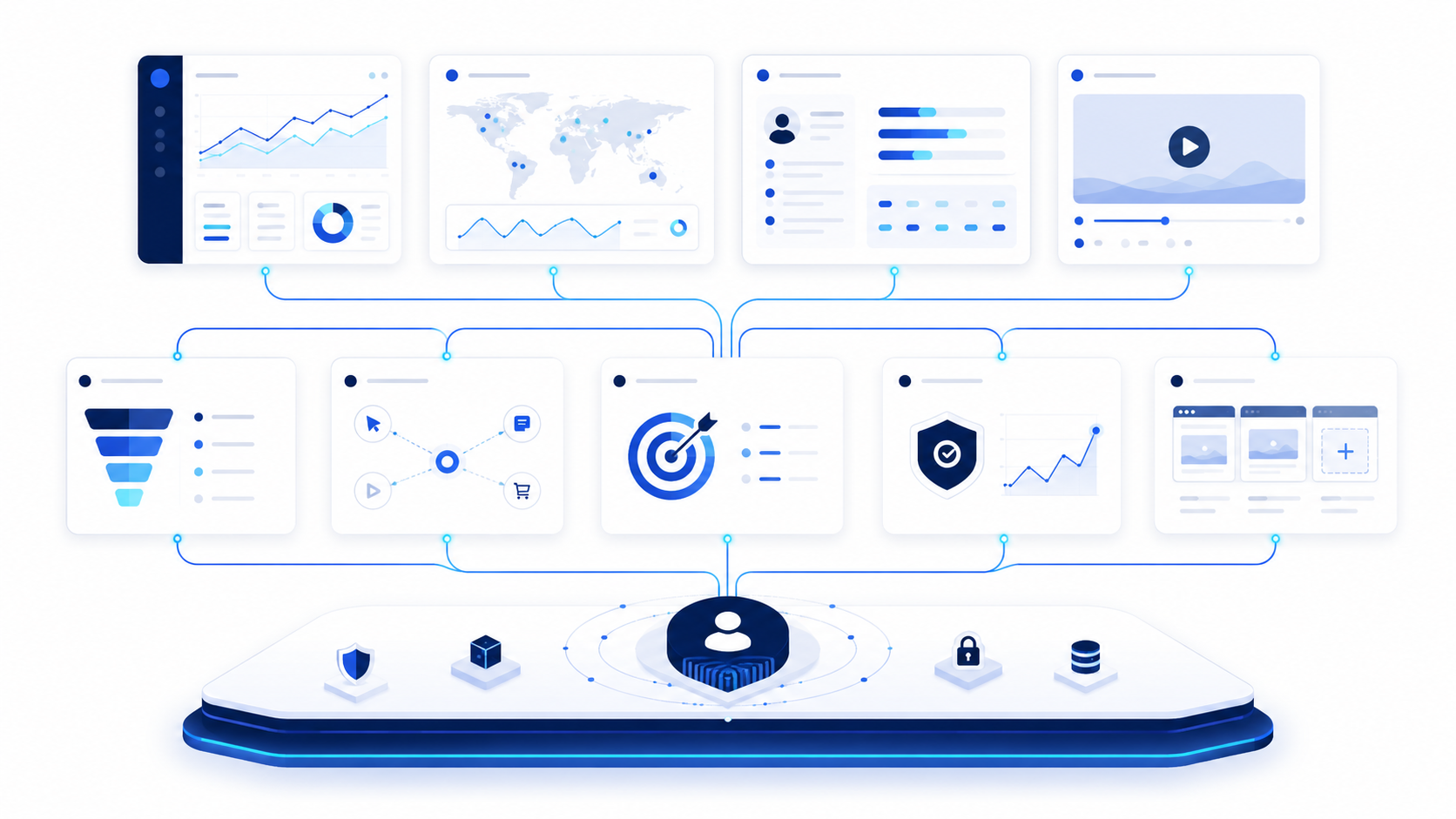
Pseudonymous TCID recognition, first-party signal collection, confidence-based matching, and server-side hashing.
Dashboards, traffic sources, campaigns, top pages, devices, countries, and search keyword visibility.
Session replay, visitor profiles, user flow, funnels, custom events, and goal tracking connected to the same journey.
Fraud score bands, suspicious traffic filtering, bot indicators, datacenter IP patterns, and traffic quality checks.
Track multiple websites and view visitor intelligence across connected properties from one account.
CSV exports, identify API, event API, sites API, and a foundation for future enterprise identity use cases.

TrafficCatch creates pseudonymous device intelligence for analytics, attribution, and fraud detection. It does not identify a person by name unless a customer separately provides consented first-party data.
The goal is to help businesses understand journeys, quality, and intent without turning the product into personal surveillance.
TrafficCatch is made for businesses that spend money or time bringing people to a website, then need to understand which visits are real, returning, engaged, and valuable.

Understand returning shoppers, attribution gaps, campaign quality, funnel drop-off, and suspicious traffic.
Connect anonymous visits, pricing views, demo intent, trial journeys, and conversion events.
See whether paid traffic is real, repeated, engaged, and connected to meaningful actions.
Manage visitor intelligence across multiple client sites and explain traffic quality more clearly.
Connect repeat visits, form events, source quality, and high-intent behavior before conversion.
These principles guide how TrafficCatch is designed, explained, and expanded.
Better analytics starts with better recognition. The dashboard is useful because the visitor journey underneath is connected.
Businesses should build direct visitor intelligence using first-party collection instead of depending only on fragile third-party cookies.
TrafficCatch is built for visitor intelligence, not exposing named people. The product starts with device-level pseudonymous journeys.
The product should help teams understand journeys, quality, and intent without relying on creepy visuals or reckless claims.
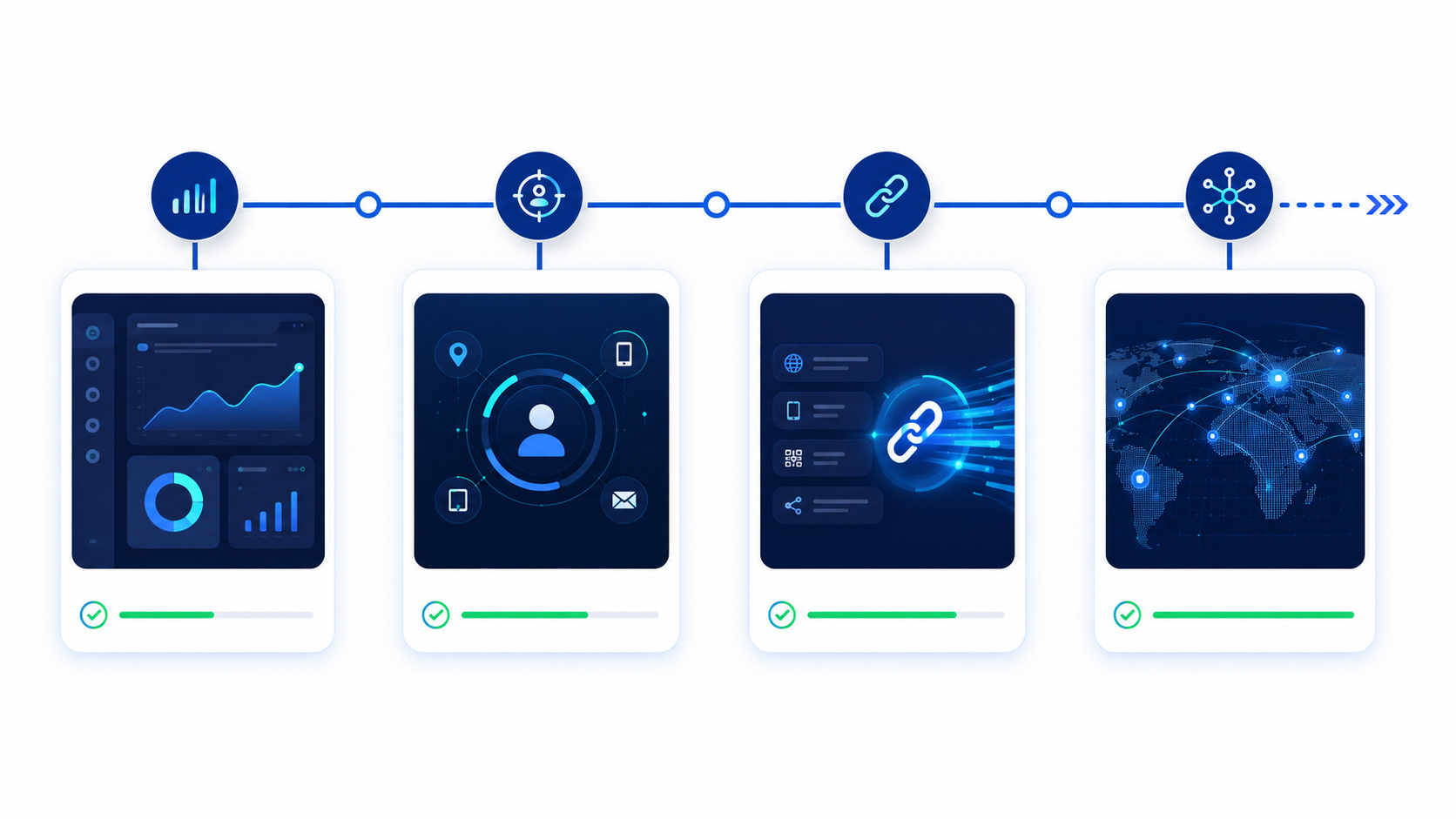
TrafficCatch already includes core visitor intelligence capabilities. The next step is to expand that identity foundation into stronger attribution intelligence, intelligent links, audience segments, privacy controls, and AI-assisted insights.
Identity engine, dashboard analytics, visitor profiles, real-time monitoring, session replay, funnels, events, goals, fraud scoring, and exports.
First-touch, returning visitor, campaign, and conversion visibility that is less dependent on cookies.
Links that help identify traffic sources, creator campaigns, and downstream visitor behavior.
A stronger identity graph and device reputation layer as more sites and links contribute signals.
TrafficCatch is built by a technical founding team focused on web identity, analytics, attribution, and the infrastructure shift happening across the open internet.
These answers help explain TrafficCatch directly for SEO, AEO, GEO, AIO, LLMO, SXO, VEO, and NEO discovery.
TrafficCatch is a visitor intelligence platform that helps websites connect pseudonymous visitor journeys when cookies and fragmented sessions make analytics less reliable.
No. TrafficCatch includes analytics, but its core is an identity layer. The platform connects visits, events, session replay, funnels, and fraud signals to a pseudonymous TCID.
No. TrafficCatch creates pseudonymous device intelligence by default. It does not identify a person by name unless a customer separately provides consented first-party data.
TrafficCatch is built for ecommerce brands, SaaS companies, performance marketers, agencies, and lead generation websites that need better visitor intelligence.
As cookies become less reliable, businesses lose visibility into returning visitors, attribution, campaign performance, and traffic quality. TrafficCatch helps restore that visibility using a first-party identity approach.
Most tools start with sessions and dashboards. TrafficCatch starts with pseudonymous identity, then attaches analytics, replay, funnels, events, and fraud signals to the same visitor journey.
TrafficCatch helps you connect anonymous visitor journeys, improve traffic intelligence, and understand which visits are real, returning, and valuable.